Do You Need a Permit to Remodel a Bathroom in New Jersey?
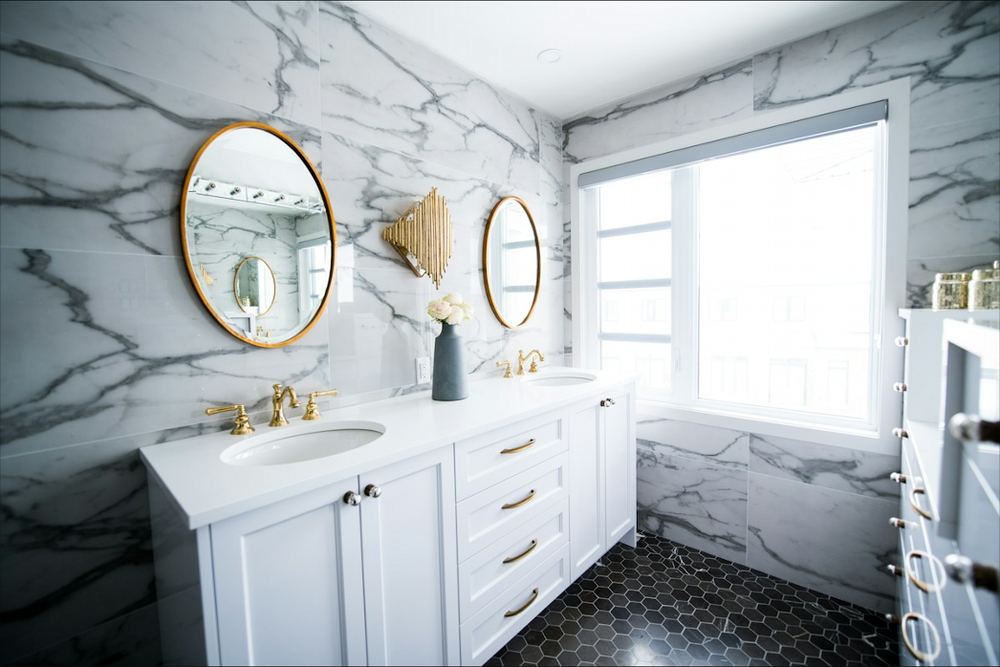
Quick answer: Yes, most bathroom remodels in New Jersey need a construction permit. The state's Uniform Construction Code (UCC) requires a permit to repair, renovate or alter a building, with exceptions for "ordinary maintenance," like swapping a faucet or a toilet with no change to the piping. Rules are enforced by your town, so always confirm with your local building department.
Permits can feel like a hassle, but they protect you. A permit means a state licensed inspector checks the plumbing, wiring and framing before the walls close up. This guide walks through what the New Jersey rules say, in plain words. It is general information, not legal advice. For your exact project, the local construction official has the final word.
What is the New Jersey Uniform Construction Code?
The UCC is one set of building rules for the whole state. According to the New Jersey Department of Community Affairs (DCA), the same requirements apply everywhere in New Jersey. Each town has a construction official, along with subcode officials and inspectors, who enforce the code locally. In Paramus, that is the Paramus Building Department.
Under the state rule N.J.A.C. 5:23-2.14, it is unlawful to construct, repair, renovate, alter or demolish a structure without first applying for and getting a permit. Then the rule lists a few exceptions. Those exceptions are what decide whether your bathroom job needs a permit.
What bathroom work does not need a permit?
The state calls this "ordinary maintenance," and it is listed in N.J.A.C. 5:23-2.7. Ordinary maintenance needs no permit and no notice to the town. For a bathroom, examples from the rule and DCA guidance include:
- Replacing a fixture with a similar fixture, as long as the piping arrangement does not change
- Replacing faucets, valves (including shower and tub/shower valves), and traps
- Replacing a pipe to fix a leak
- Replacing a receptacle, switch or light fixture with a similar one (wet and damp location rules still apply)
- Replacing a bathroom exhaust fan in a home
- Repairing, replacing or installing cabinets
- Repairing, replacing or installing flooring
- In a one or two family home, interior finishes like drywall on less than 25 percent of the wall area
There is a catch. Ordinary maintenance does not include work that changes water supply, drain, vent or gas piping, and it generally does not include changes to electrical wiring. All work must still meet the code, even with no permit.
What is "minor work" in New Jersey?
Minor work is a middle step. It still needs a permit, but the work can begin once the town has been notified, before the permit is issued. DCA guidance says the notice can be oral, written or by email. Bathroom related examples of minor work include:
- Replacing plumbing pipe with new approved material of the same capacity
- Installing new fixtures in an existing space, if the water lines and house drain do not need to get bigger
- In a one or two family home, installing five or fewer outlets when the existing circuits are adequate
- In a one or two family home, renovation work that does not alter primary structural members
Many simple bathroom remodels fall into this group. Your local office decides how your job is classified.
When does a bathroom remodel need a full permit?
If your project goes beyond ordinary maintenance and minor work, plan on a full permit before work starts. Common examples are moving a toilet or shower to a new spot, changing the drain or vent layout, adding new circuits, or moving walls. A tub to shower conversion that changes the drain often needs a permit too. See our bathroom remodel page for what a full project includes.
How does the permit process work?
Here is the general path, based on DCA's guide to the UCC:
- Apply. The owner or the owner's agent, such as the contractor, files the state Construction Permit Application with the town. Bathroom jobs usually include the building, plumbing and electrical technical sections.
- Review. The local office must approve or deny a complete application within 20 business days.
- Inspections. You or your contractor tell the office when work is ready. DCA says inspections are to be done within 3 business days of the request.
- Final approval. After the final inspection passes, the town issues a Certificate of Approval for work that does not need a Certificate of Occupancy.
A permit can become invalid if work does not start within 12 months, or if work stops for six months. Fees are set by each town. HomeGuide puts typical bathroom remodel permit costs at $150 to $600 nationally. You can see how permits fit into total pricing on our bathroom remodel cost page, and how they fit into the schedule in our post on how long a bathroom remodel takes.
Can a homeowner do their own bathroom plumbing in New Jersey?
The state rules let a single family homeowner do plumbing and electrical work on their own home without the trade license that a contractor would need. That does not remove the permit. The same permit and inspection rules apply, so check with your building department first.
What should you check before hiring a contractor?
New Jersey's Division of Consumer Affairs says home improvement contractors must register with the state and carry at least $500,000 in liability insurance. It also says jobs over $500 need a written contract with the price, start and end dates, scope of work and the contractor's registration number. Ask for a copy of the insurance policy, and ask who will pull the permit.
FAQ
Do I need a permit to replace a toilet or vanity in NJ? Usually not. Replacing a fixture with a similar one, with no change to the piping, is ordinary maintenance under N.J.A.C. 5:23-2.7. Cabinets can also be replaced without a permit.
Do I need a permit to retile a bathroom in New Jersey? Flooring replacement is listed as ordinary maintenance. Wall finishes are ordinary maintenance in a one or two family home if they cover less than 25 percent of the wall area. Larger wall work, or any plumbing or wiring changes, may need a permit.
How long does it take to get a bathroom permit in NJ? The state says the local office must approve or deny a complete application within 20 business days. Minor work can start once the town is notified. Your town may move faster.
Who should pull the permit, me or my contractor? The owner or the owner's agent, such as the contractor, can apply. Most homeowners have their contractor handle it. Make sure your written contract says who is responsible.
Have questions about your project?
We help homeowners plan the right way, permits included. Call us at (201) XXX-XXXX or request a free estimate. Serving Paramus, Ridgewood, Fair Lawn, Oradell, River Edge, Rochelle Park and Hackensack. Rules can change, so always confirm with your local building department before work starts.
Bathroom Services
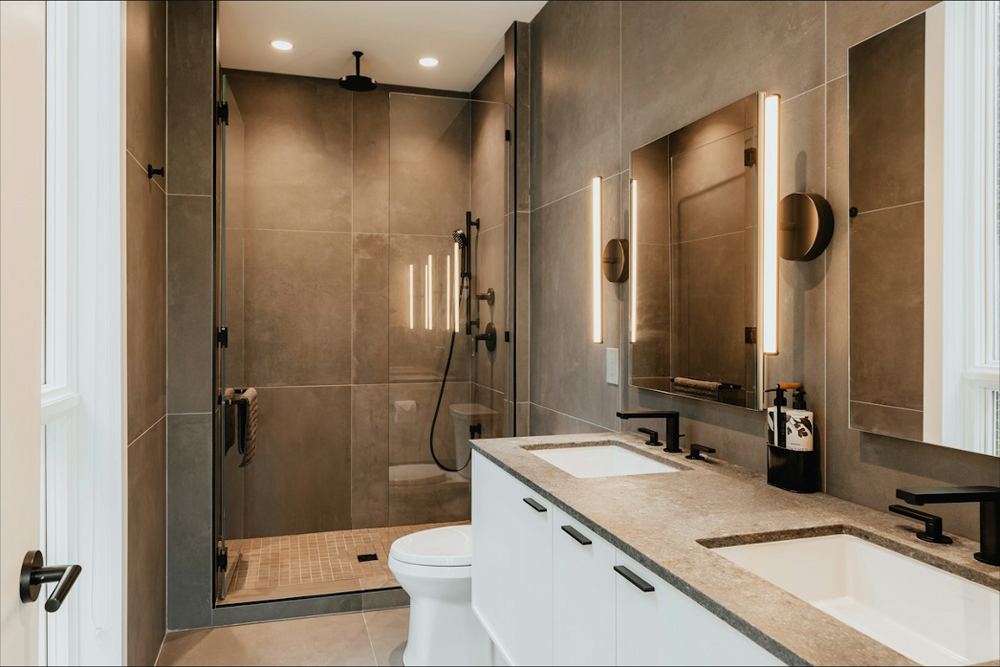 Bathroom RemodelNew tile, vanity, lighting and fixtures, from small updates to a full gut.See bathroom remodel
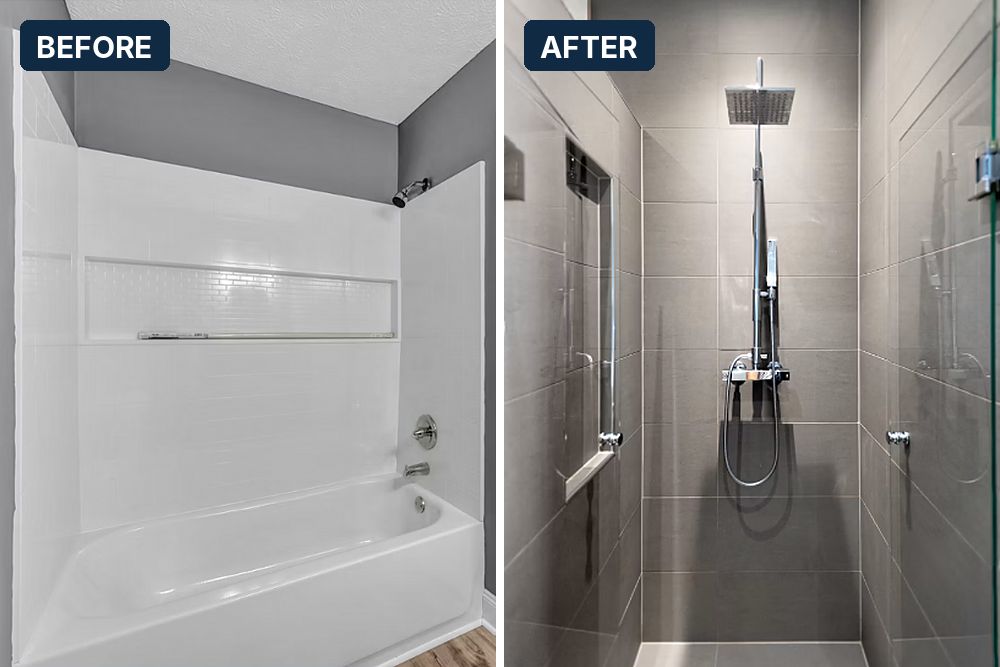 Tub to ShowerSwap a tub you never use for an easy walk-in shower.See tub to shower
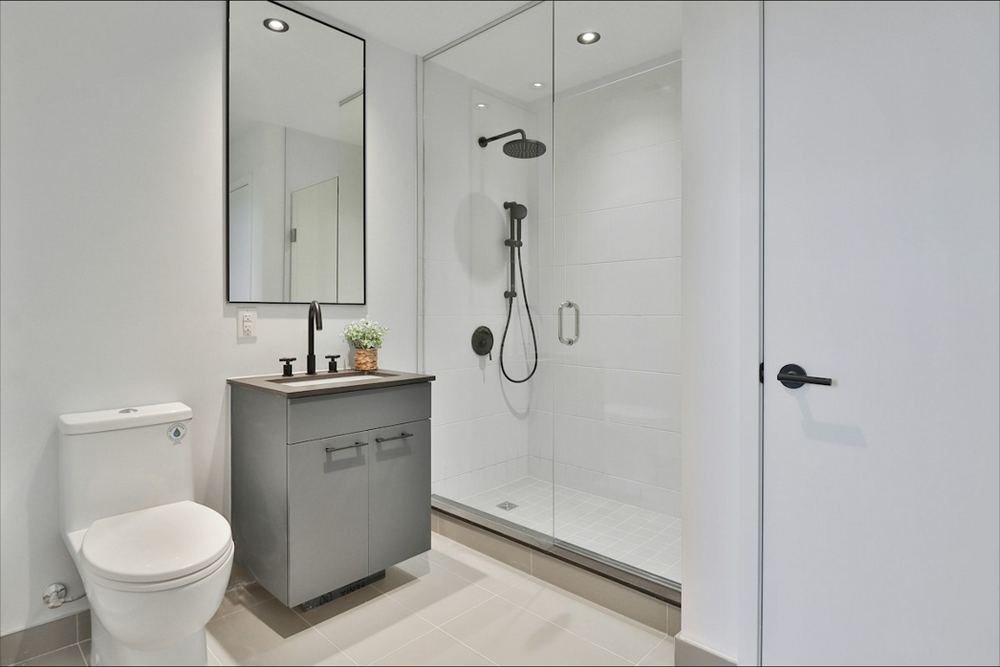 Walk-In ShowersLow curb or no curb, with options like a bench and a niche.See walk-in showers
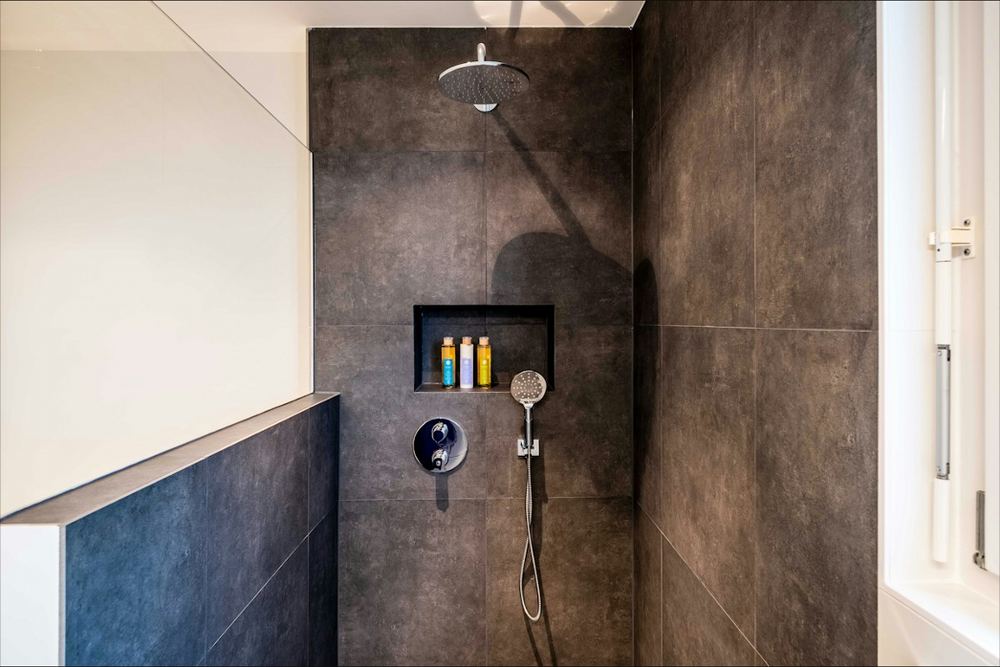 Shower RemodelReplace an old stall or retile the shower you already have.See shower remodel
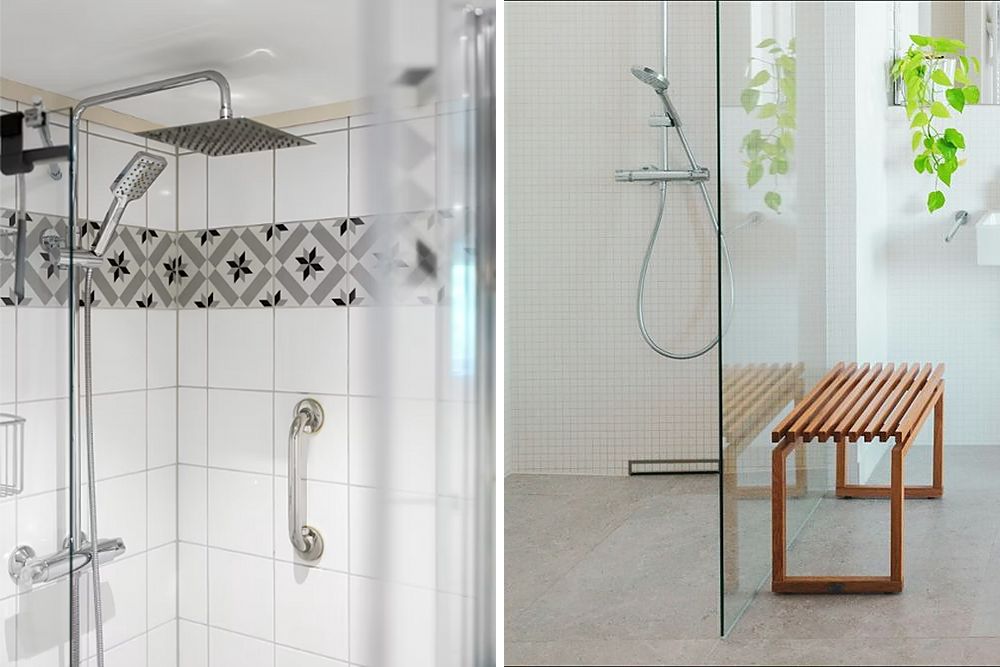 Senior SafetyGrab bars, curbless showers, benches and comfort-height toilets.See senior safety
Want prices first? See typical bathroom remodel costs.